
The Path Water Takes After It Leaves Your Hands
You wash your hands. The water disappears. End of story at least from your perspective. But behind that moment is a full system doing real work. Pipes carry water across rooms, down floors, and out beneath the property. It’s not just movement—it’s controlled movement, designed to keep everything flowing without interruption.The important part? This system doesn’t rely on force. It relies on consistency. And once that consistency is disturbed, even slightly, you start noticing changes.
It Starts Small—But It Doesn’t Stay Small
Every building, whether it’s a single-family home or a busy office, begins the same way: individual drains. Each sink, toilet, or shower connects to its own small pipe. These aren’t random connections. They’re angled carefully so water naturally moves away the moment it enters. No pushing. No mechanical help. Just gravity doing its job. But here’s where it gets interesting, those small lines don’t stay separate for long.
Why Choose Pro Trenchless?
Where Individual Drains Become a System
Inside the structure, those smaller pipes begin to merge. A bathroom sink line connects with a shower line. A toilet line joins in. In an office, multiple restrooms and breakroom sinks feed into the same network. This is where the system shifts from “single use” to “shared flow.” And once pipes start sharing flow, the condition of one section begins to matter to everything connected to it.
The One Pipe Everything Depends On
No matter how complex the layout is inside, everything eventually leads to one place—the main sewer line. This pipe carries all wastewater out of the building. It doesn’t matter if it’s a house or a multi-floor office. The principle stays the same:
If the main line is working properly, the system feels normal. If the main line is restricted or damaged, the entire building starts to feel it. That’s why system-wide symptoms usually point to a single location underground.
The Quiet Role of Air in All of This
Most people think of drains as water-only systems. They’re not. Air plays a major role. Vent pipes—usually hidden in walls and extending through the roof allow air to move in and out of the system. Without that airflow, water doesn’t drain smoothly.
Instead, you’d notice:
- Stops and starts in drainage
- Unusual sounds from pipes
- Water struggling to move consistently
Air keeps the system balanced while gravity keeps it moving.
What “Healthy Flow” Actually Means
When a system is working properly, you don’t notice it. That’s the point.
Inside the pipe, flow should be:
- Smooth
- Continuous
- Uninterrupted
There shouldn’t be resistance. No sudden drops. No places where water sits longer than it should. Because the moment water starts slowing down or catching on something, the system begins to shift from efficient to vulnerable.
Where Things Begin to Break Down
When a system is working properly, you don’t notice it. That’s the point.Inside the pipe, flow should be:
- Smooth
- Continuous
- Uninterrupted
There shouldn’t be resistance. No sudden drops. No places where water sits longer than it should. Because the moment water starts slowing down or catching on something, the system begins to shift from efficient to vulnerable.
Where Things Begin to Break Down
Sewer systems don’t usually fail all at once. They change gradually.
A pipe might:
- Develop a small crack
- Shift slightly out of alignment
- Begin to sag in one section
- Lose its seal at a joint
Individually, these changes may not seem urgent. But together, they affect how water moves. Instead of flowing cleanly, waste starts to hesitate, collect, or move unevenly. And that’s when symptoms begin to show up inside the building.
Why the Same Issue Shows Up in Different Places
One of the most confusing things for property owners is this: Why is the kitchen slow, the bathroom acting up, and the basement drain making noise all at the same time? The answer is simple once you see the system as a whole. Everything is connected. A single compromised section especially in the main line can affect multiple fixtures because they all rely on that same pathway. It’s not multiple problems. It’s one shared issue showing up in different ways.
Why You Can’t Diagnose This From the Surface
Looking at a sink or a toilet doesn’t tell you what’s happening ten, twenty, or fifty feet away in the pipe.You’re seeing the result, not the cause. That’s why surface-level fixes often don’t last. They’re based on symptoms, not actual conditions. To understand the system, you have to see inside it.
What Changes When You Can See the Pipe
A sewer camera inspection shifts everything.Instead of guessing, you can:
- See how the pipe is aligned
- Identify cracks or separation
- Spot areas where water is slowing down
- Understand why certain fixtures are affected
It turns the system from something abstract into something visible and measurable. And once you see it, decisions become much easier.
Frequently Asked Questions
Service Areas
We provide trenchless sewer repair and trenchless pipe replacement
across much of following, including (but not limited to)
Chester County
Montgomery County
Delaware County
Bucks County
If you’re anywhere in Pennsylvania and you suspect a sewer, drain, water,
or conduit issue, reach out, and we’ll let you know how we can help.
Fixing the System Based on How It’s Actually Performing
Not every issue requires the same solution, and this is where most confusion happens. If the problem is buildup, cleaning may restore flow. If the issue is structural, the pipe itself needs attention.Depending on what’s found:
- Internal repairs can restore a smooth pathway
- Damaged sections can be corrected without full excavation
- Severely compromised areas can be replaced
The key is matching the solution to the condition, not applying the same fix everywhere.
Why This Understanding Matters More Than It Seems
Most major sewer problems don’t start as emergencies. They start as small changes in how the system behaves.
- A drain that takes a little longer
- A sound that wasn’t there before
- A pattern that repeats more often than it should
Understanding how the system works helps you recognize those changes for what they are—early signals, not random issues. And catching them early usually means simpler solutions. Traditional replacement methods can be disruptive, especially in established homes with finished landscaping or hard surfaces. Trenchless approaches allow repairs to be completed with minimal disturbance while still delivering long-term results. For cast iron systems, this means:
- Restoring function without major excavation
- Preserving existing property features
- Reducing downtime during repair
It’s a practical way to deal with an aging system without creating additional problems.
See How Your System Is Actually Working
You don’t need to guess how your sewer system is performing. You can see it, understand it, and make decisions based on what’s really happening.
Schedule your sewer camera inspection with Pro Trenchless today.
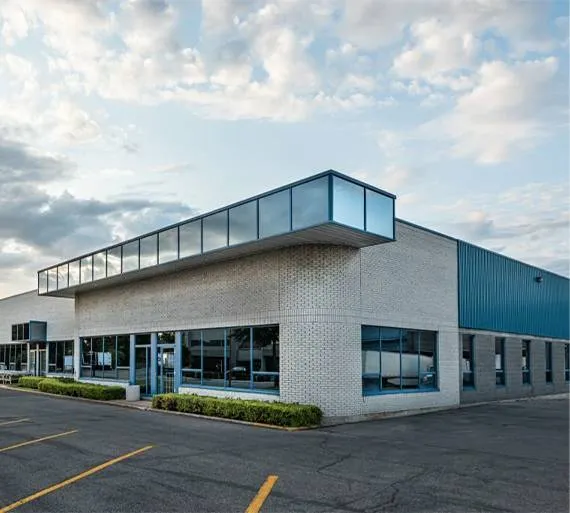
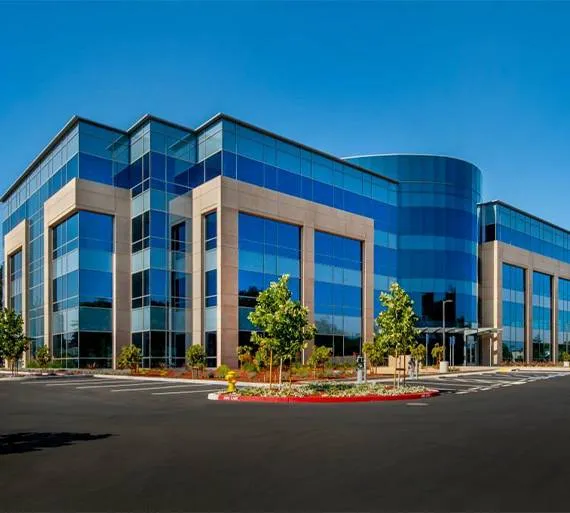
Serving Various Sectors with Specialized Camera Aided Cleaning:
Client Reviews
Most Experienced Sewer Specialists




Address the Condition Before It Turns Into Failure
Cast iron pipe deterioration doesn’t fix itself—and it doesn’t stop progressing on its own. The earlier it’s understood, the more options you have to address it effectively.The next step isn’t guessing. It’s seeing exactly what condition your pipe is in and choosing the right solution based on that.
Schedule your sewer camera inspection with Pro Trenchless today.
Get help fast—without guessing
Tell us what you’re seeing. We’ll confirm pipe condition first, then recommend the best fix for your property.